NCPS Portrait of a Graduate Spotlight - Communication
New Canaan Public Schools
May 4, 2026
The Portrait of the Graduate was created in 2023 by the New Canaan Public Schools community to define the essential competencies our graduates need to thrive in today’s world. The five competencies - Adaptability, Communication, Critical Thinking, Curiosity, and Empathy - are foundational to teaching and learning across all grade levels.
As society and workplaces become increasingly dynamic, our graduates must be equipped not just with knowledge but with the resilience to navigate change.
This month, we are focusing on Communication.
Communication is the effective exchange of ideas, information, and perspectives through multiple modes – including oral, written, and nonverbal expression - adapted for context and audience. It entails active listening, critical awareness of bias and assumptions, and a collaborative approach to dialogue and feedback.
When demonstrating Communication skills, our students…
Clearly articulate ideas using oral, written, and nonverbal communication.
Seek out and consider diverse perspectives in discussions.
Use feedback to refine their communication for intended outcomes.
Our students consistently demonstrate and refine their communication on a regular basis at NCHS. Here are a few examples from recent weeks:
At the annual open-mic Poetry Fest, students articulated deeply personal ideas through performance. Each participant demonstrated how language can be used artfully to move an audience.
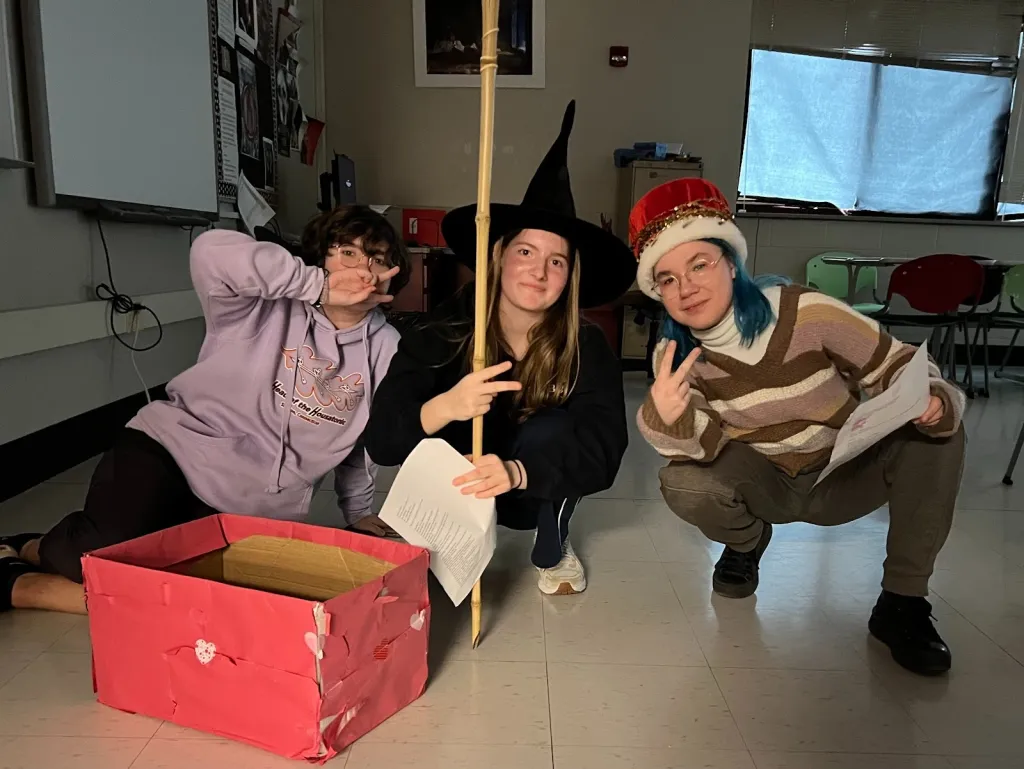
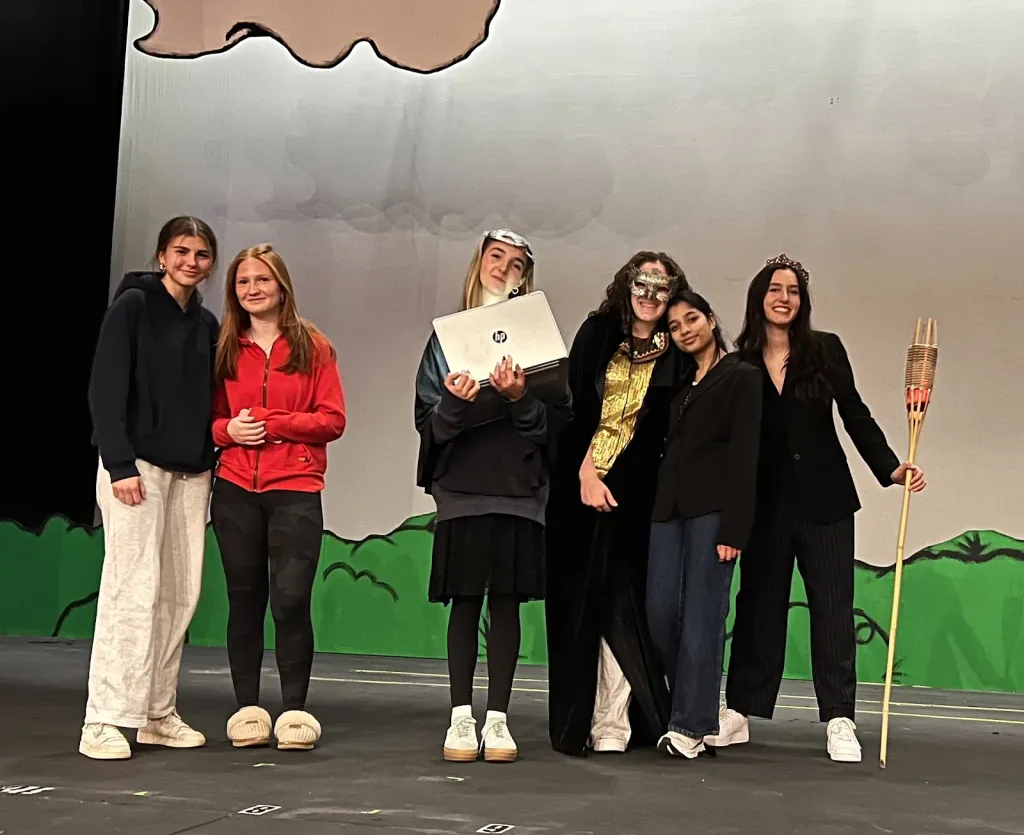
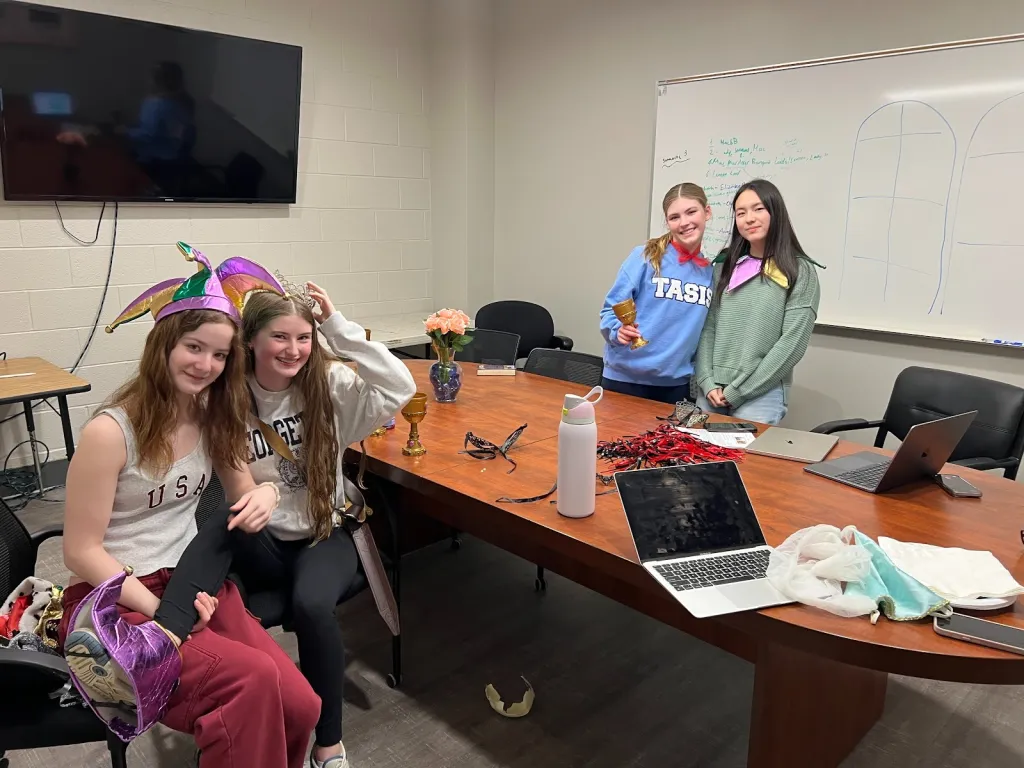
Sophomore English students are bringing the “Scottish Play” to life by creating and performing short scene reenactments of William Shakespeare’s Macbeth. This hands-on project encourages students to dive deep into the play’s themes of ambition and fate while developing their performance and collaborative skills.
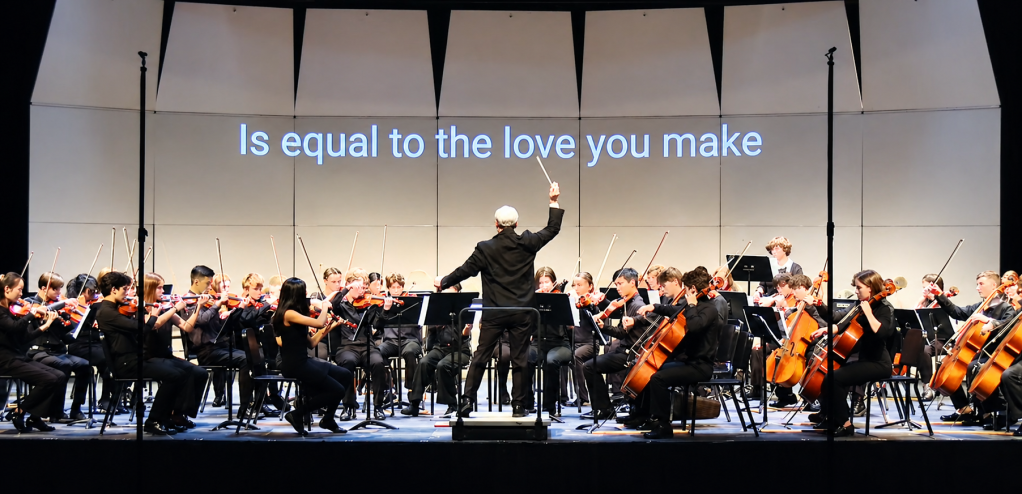
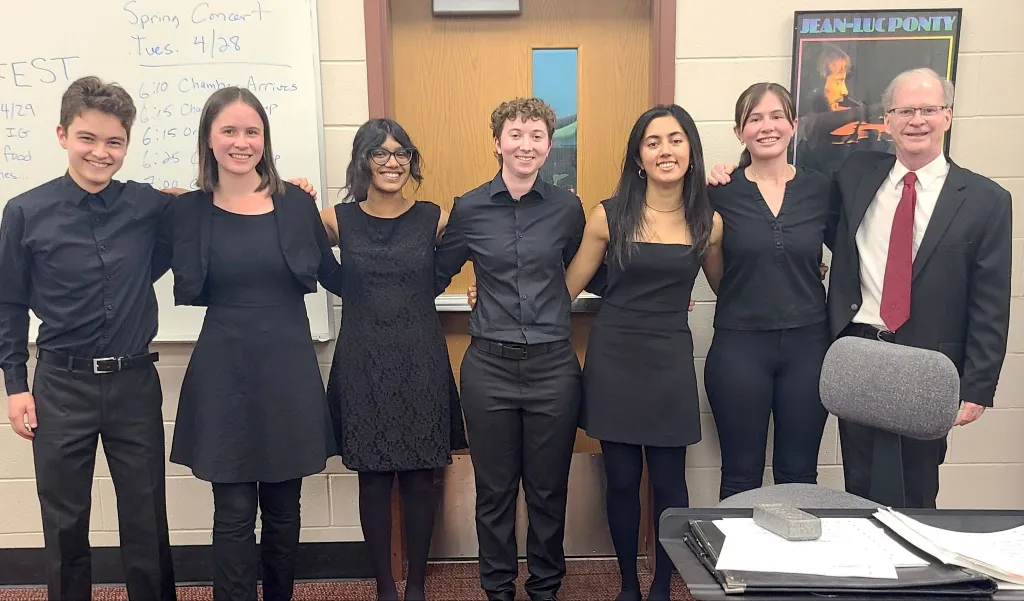
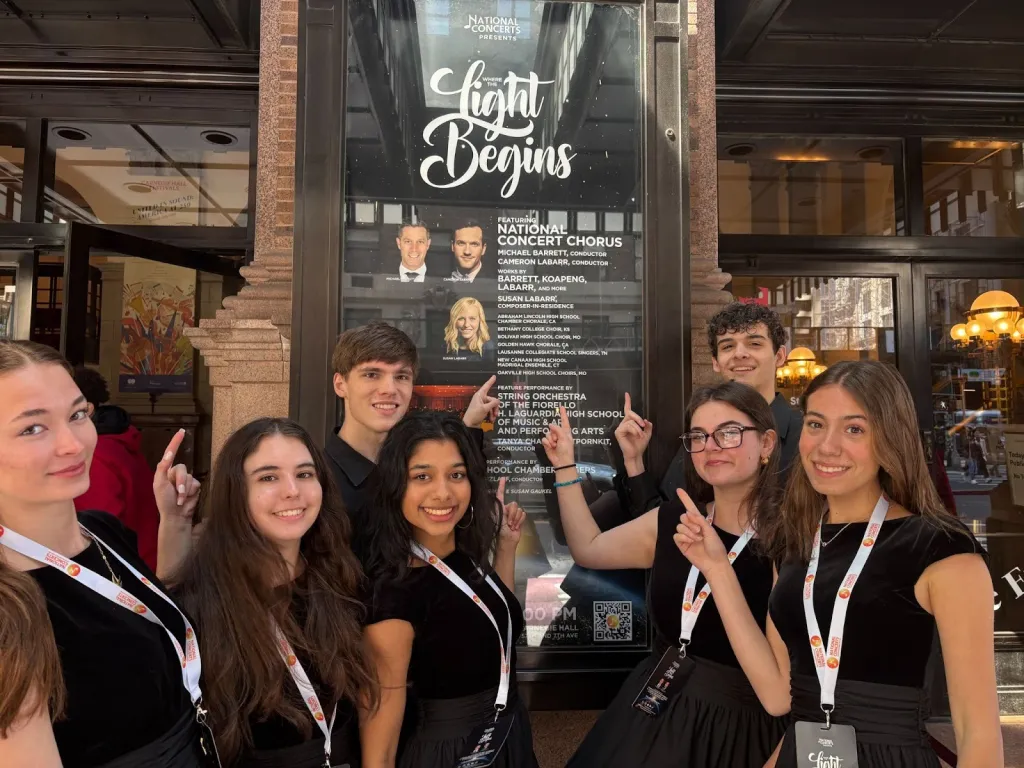
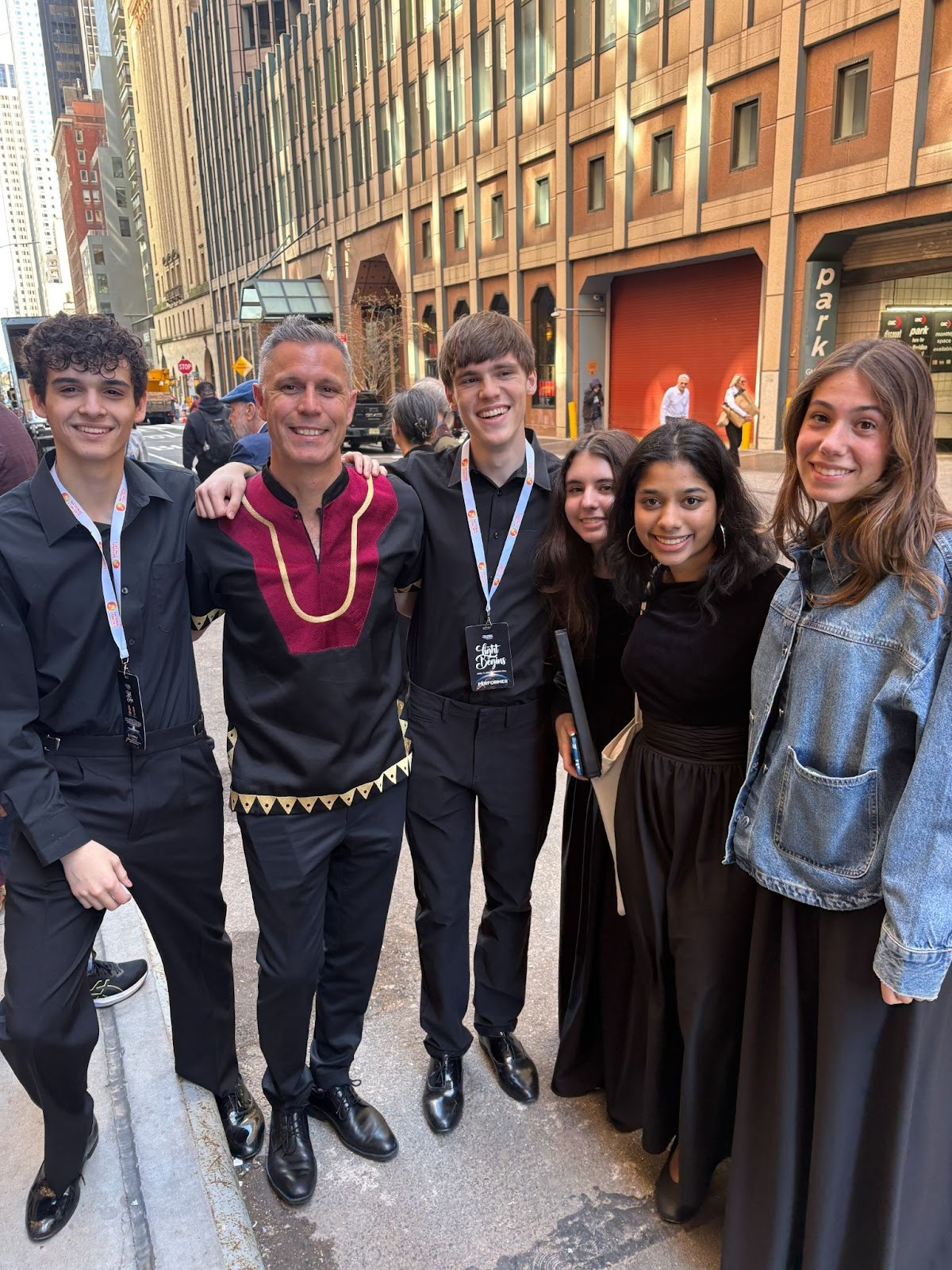
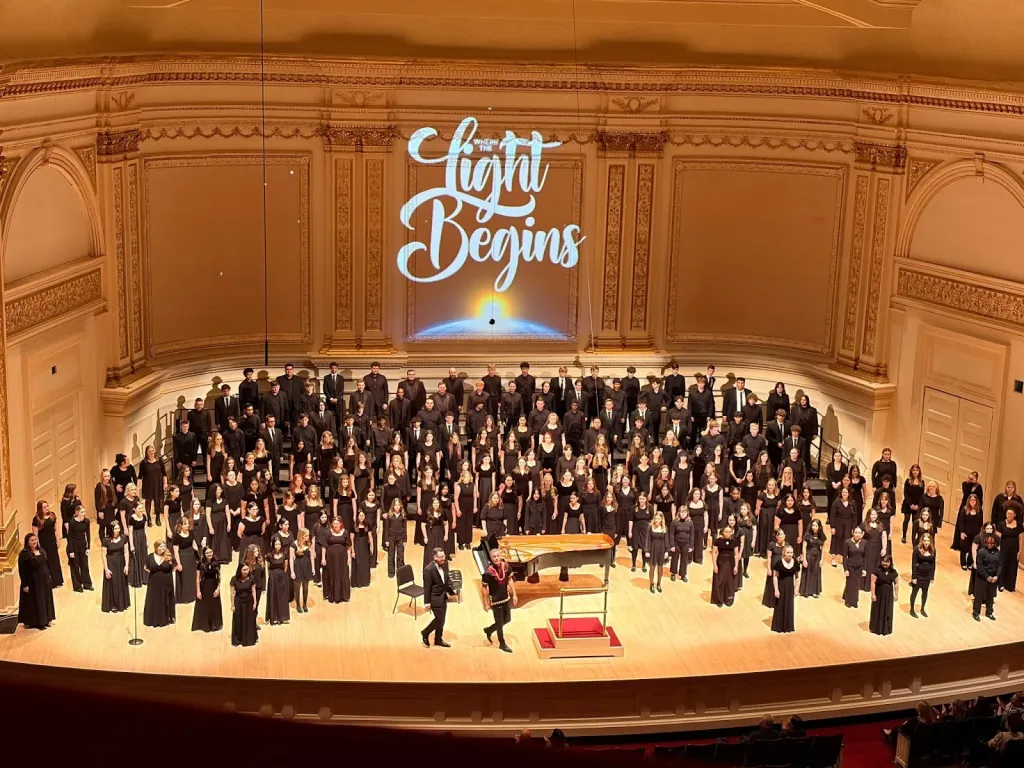
The NCHS Orchestra and Madrigal Ensemble practiced communication through performance. Madrigals Ensemble participated in a collaborative residency at Carnegie Hall where they studied South African musical traditions and their role in daily communication, while the Orchestra performed their annual Spring Concert on April 28th.
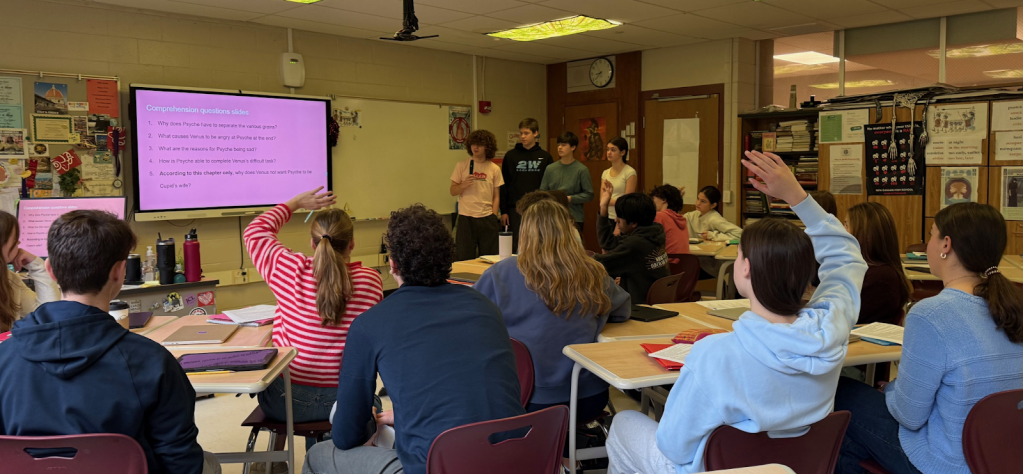
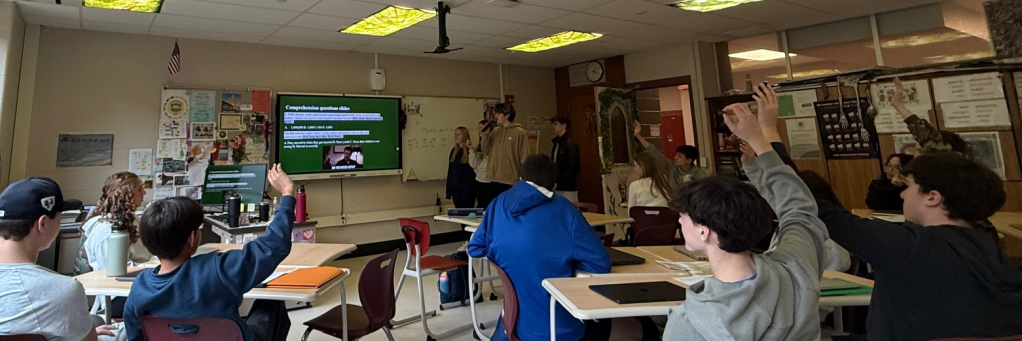
Students in Latin modeled communication by leading their own peer discussions, illustrating storylines and developing questions that challenged their classmates to think critically.
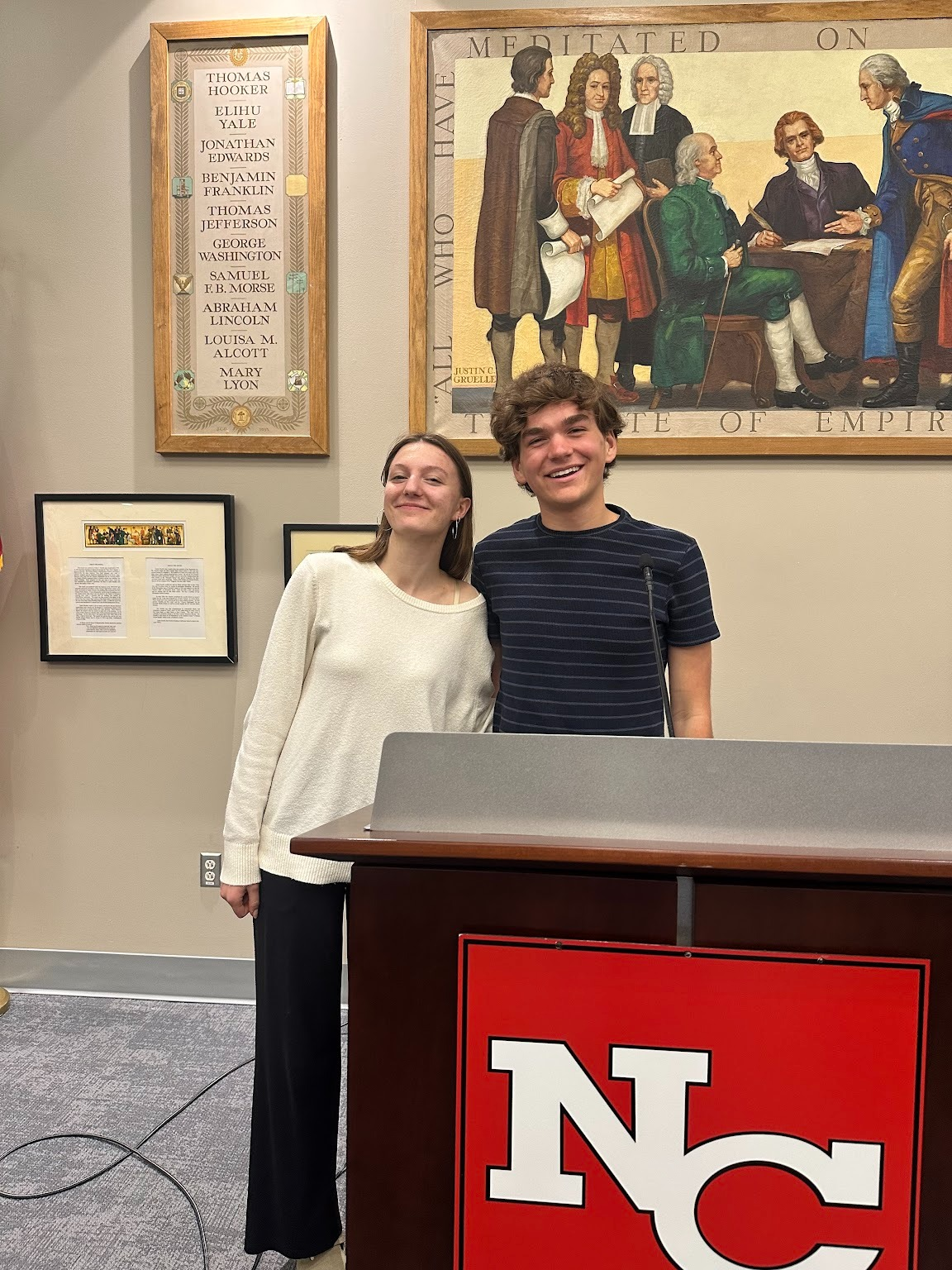
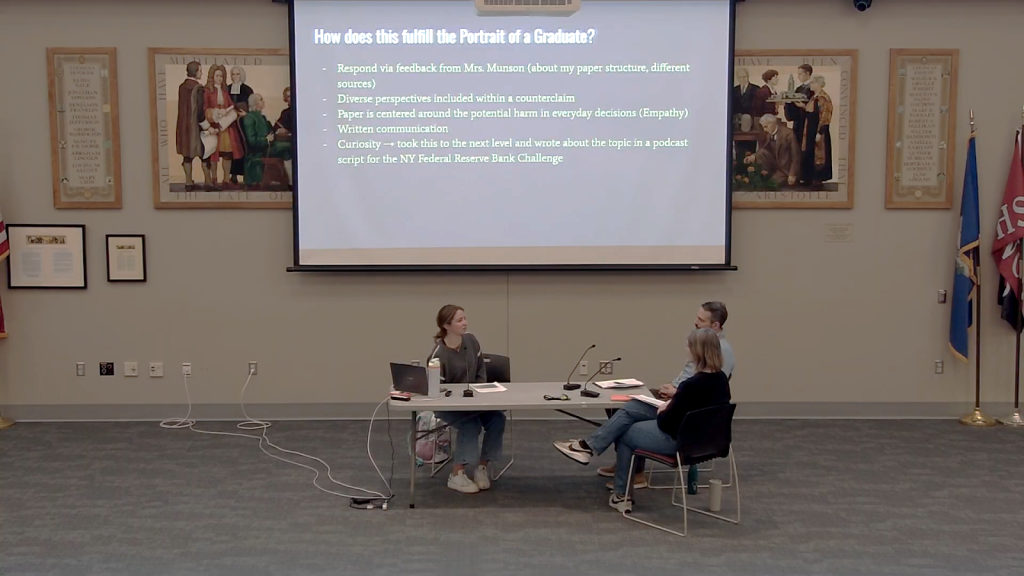
A major milestone for the Class of 2026 involved sitting down with faculty mentors to participate in Student Led Conferences to show growth towards our Portrait of a Graduate. These conferences fostered authentic, thoughtful conversations about our Portrait of a Graduate.
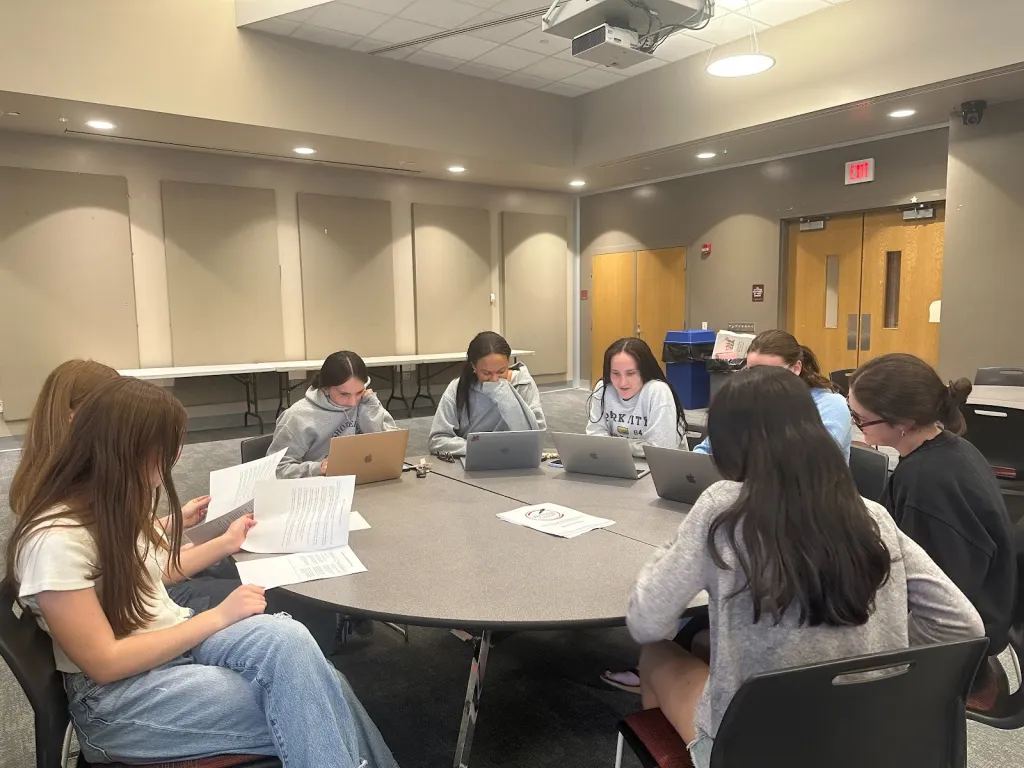
Through College Essay Workshops, juniors engaged in a feedback loop - brainstorming, reviewing model essays, and refining their drafts to ensure their personal narratives resonated with admissions officers.
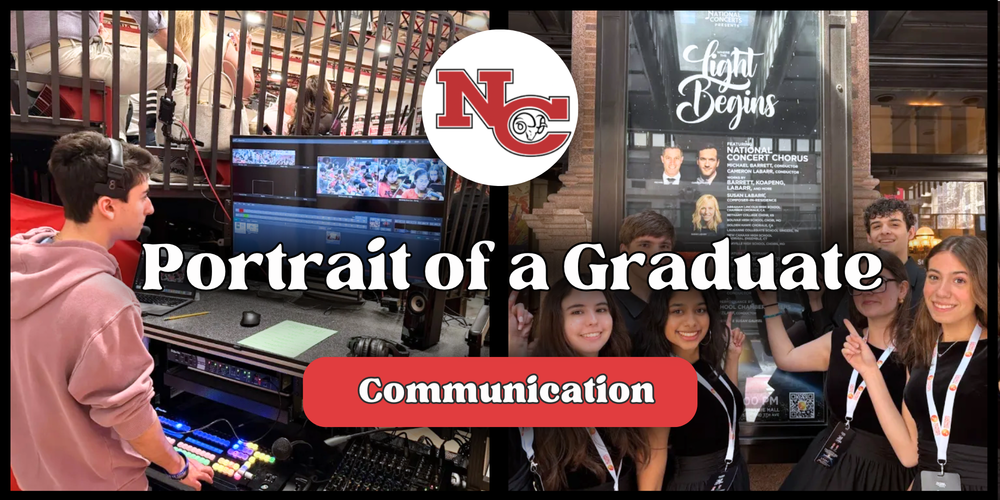
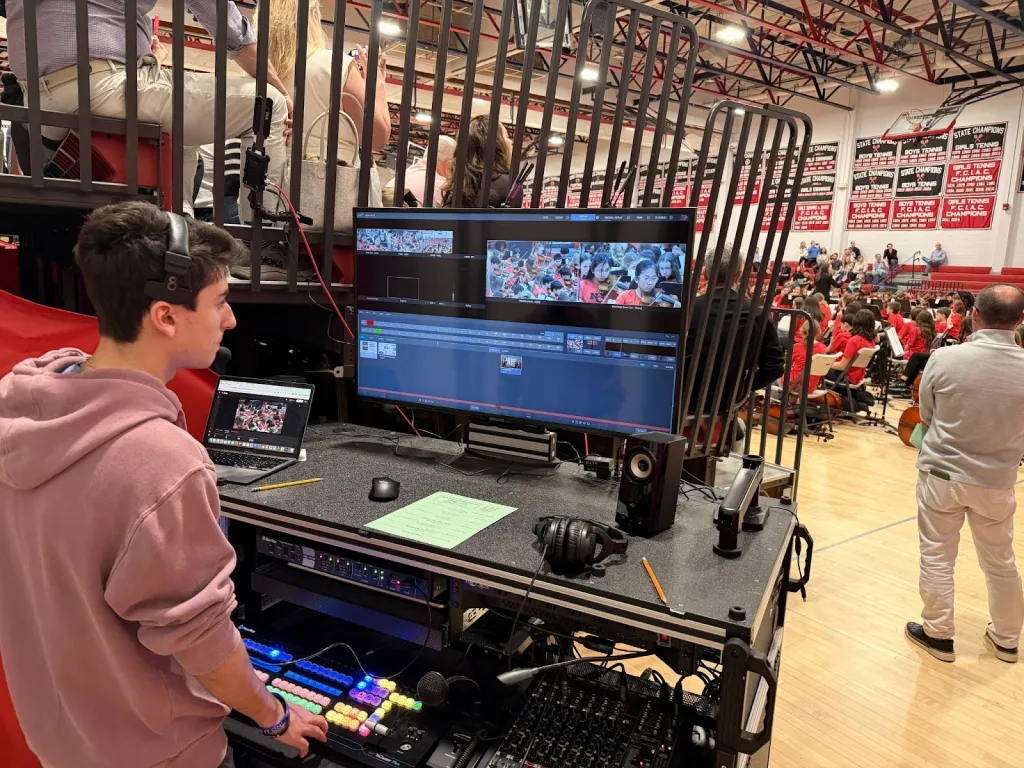
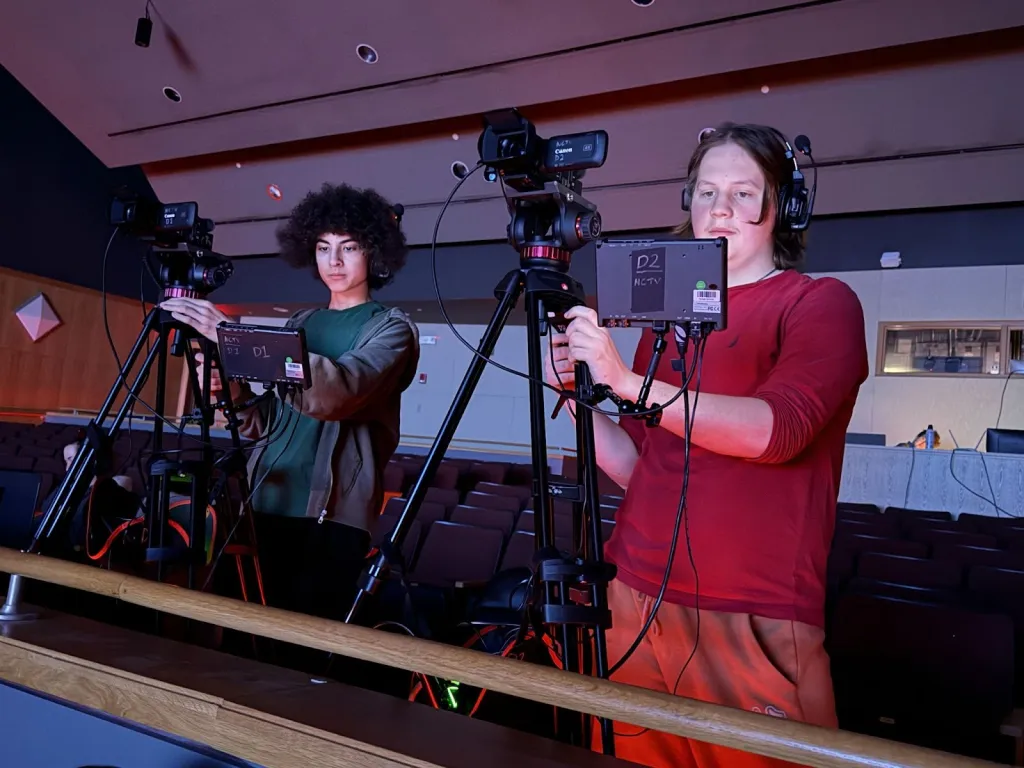
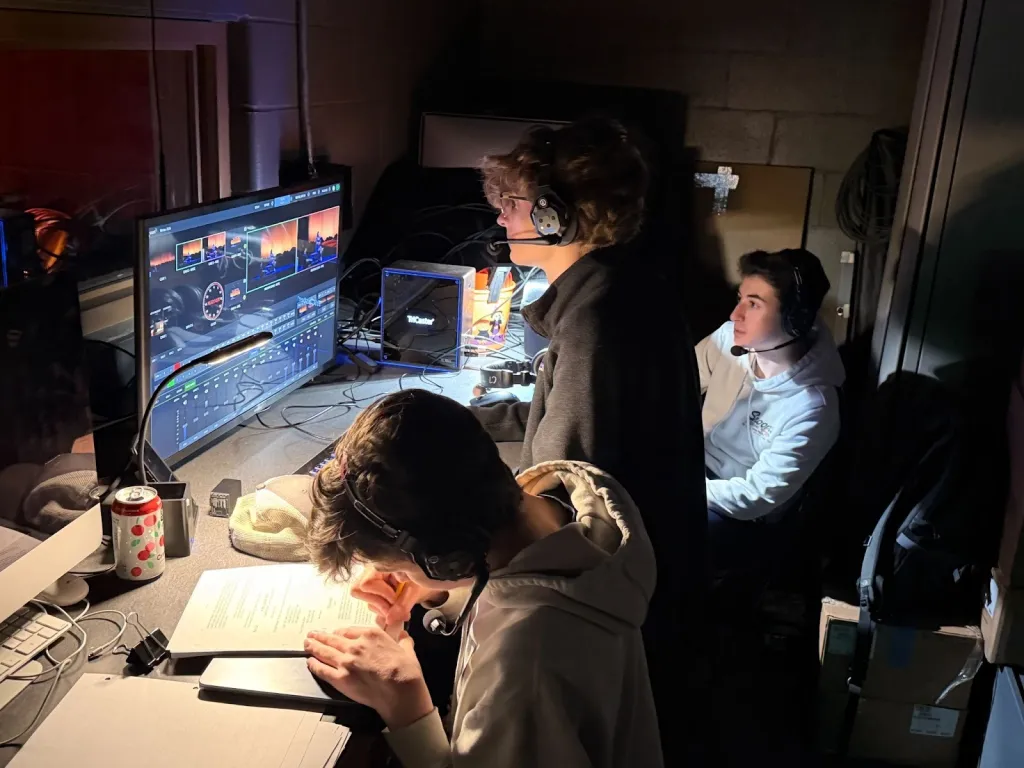
The TV Broadcasting students used technical and oral communication to keep the school informed, producing The Morning Announcements and covering local events like StringsFest, performances, and games.
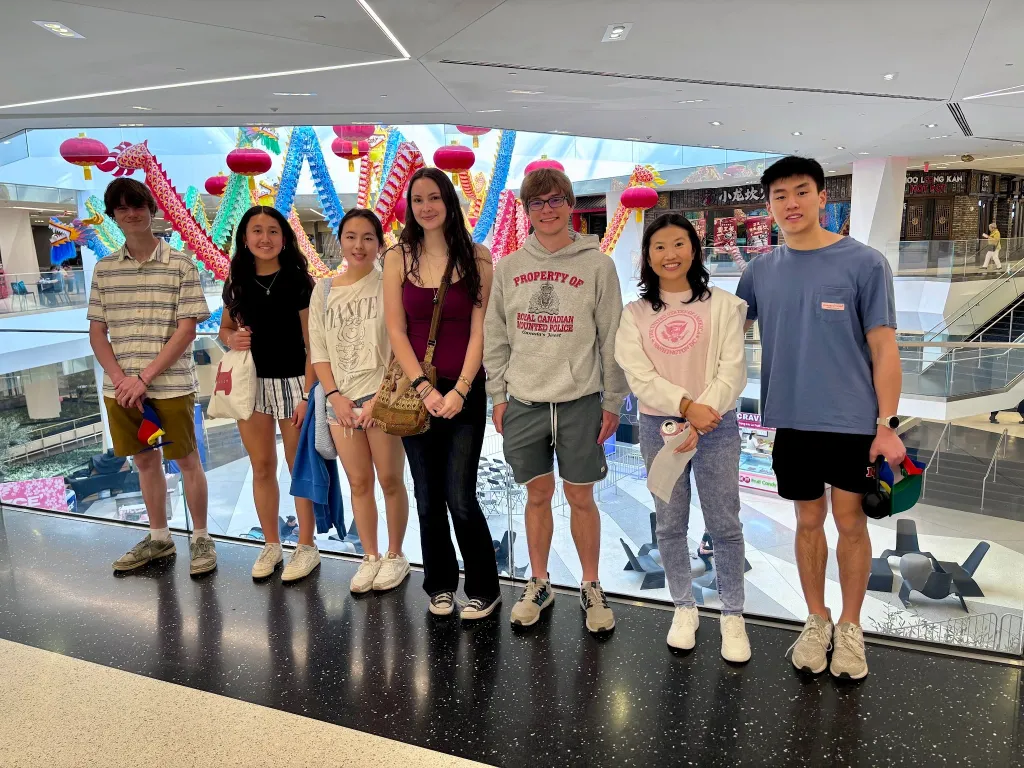
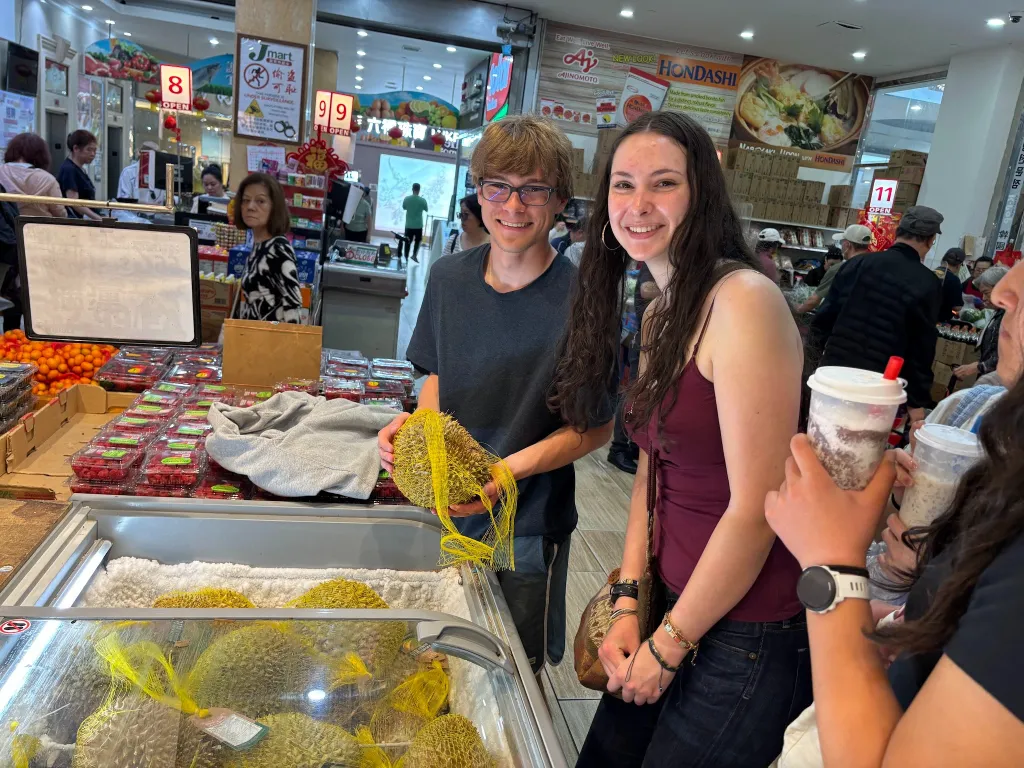
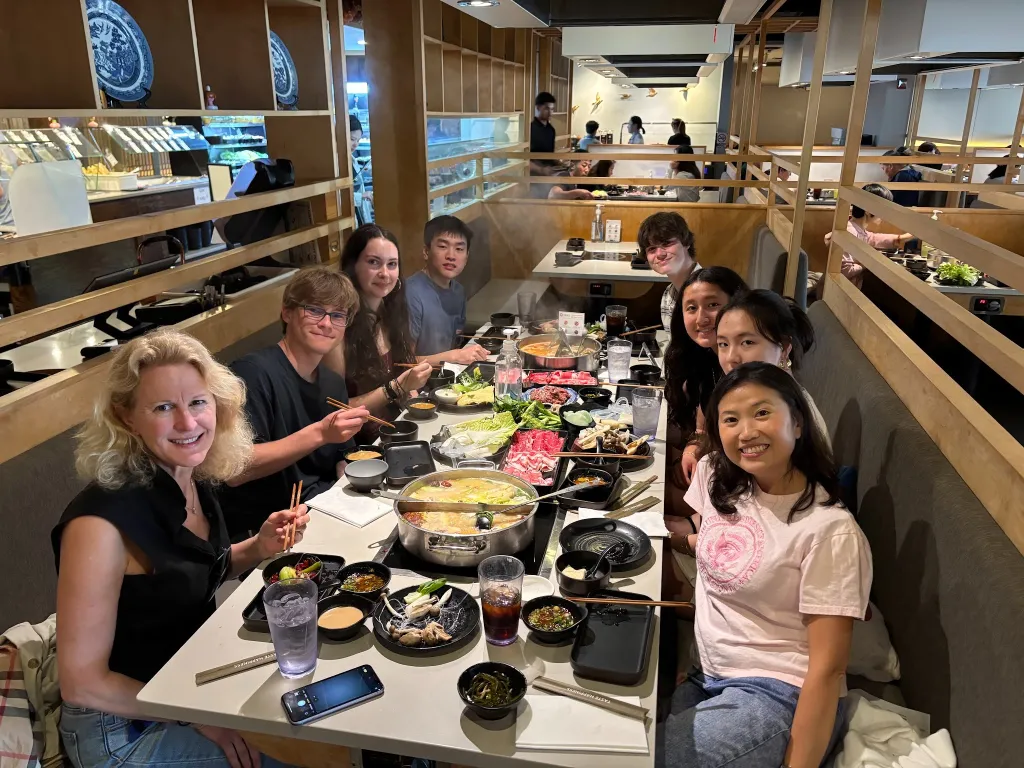
AP Chinese students tested their language proficiency in a real-world context by navigating the markets of Flushing, Queens. This trip required them to adapt their oral communication for an authentic audience while ordering traditional dishes and engaging with local vendors.
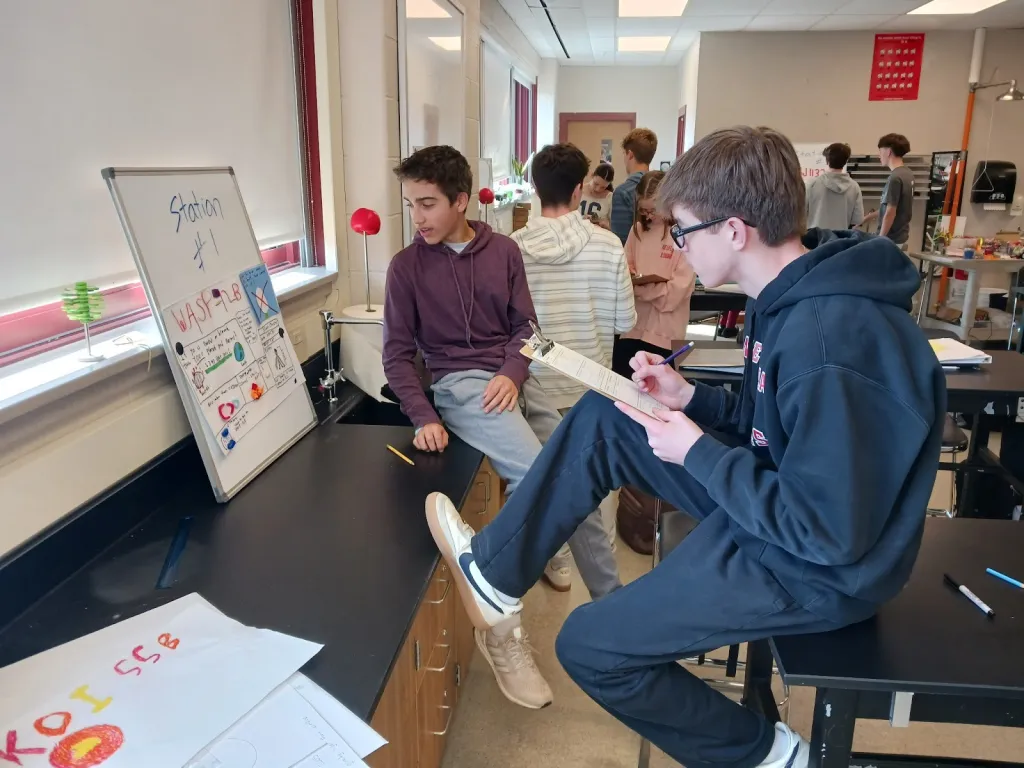
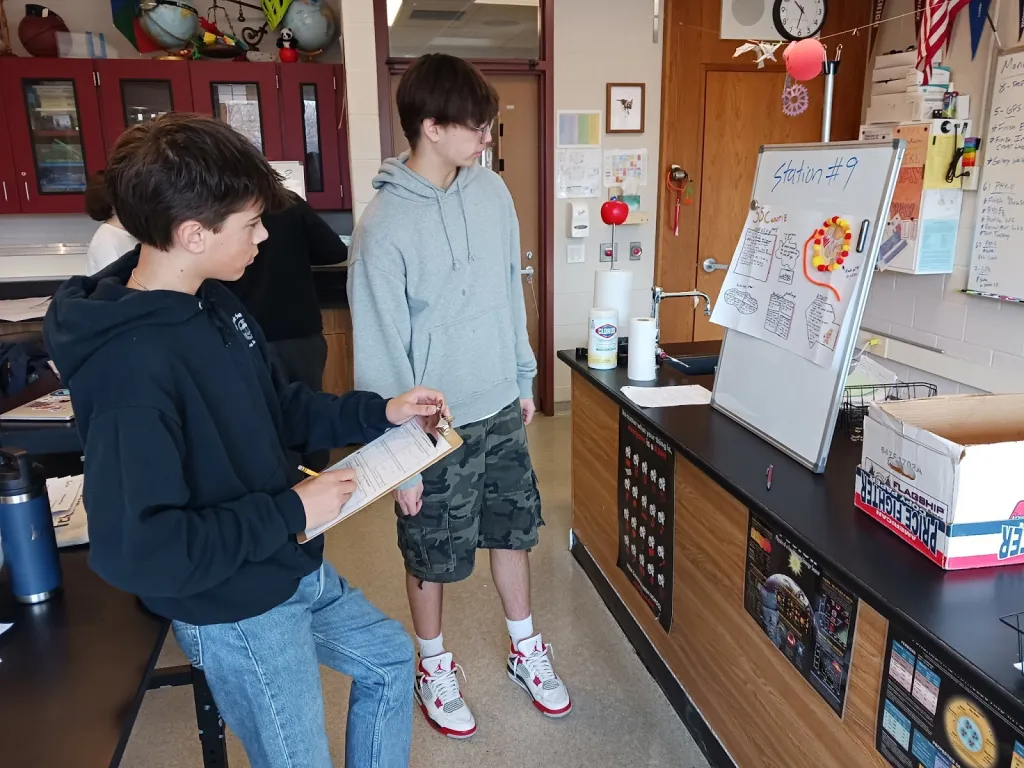
In Geophysical Science, students synthesized scientific data to present findings on distant planets. By creating "alien life forms" adapted to these environments, they used creative verbal and nonverbal communication to explain abstract scientific concepts.
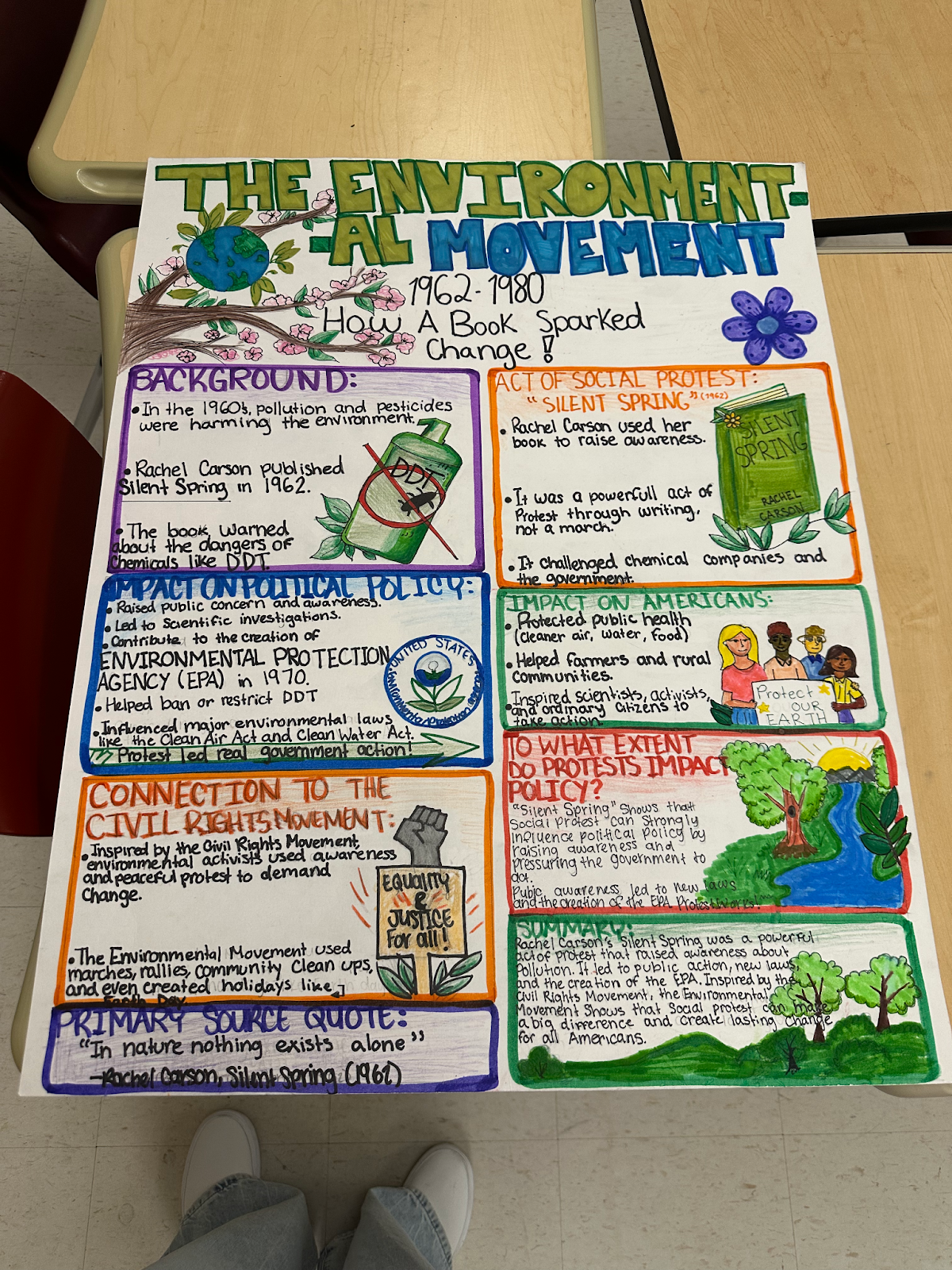
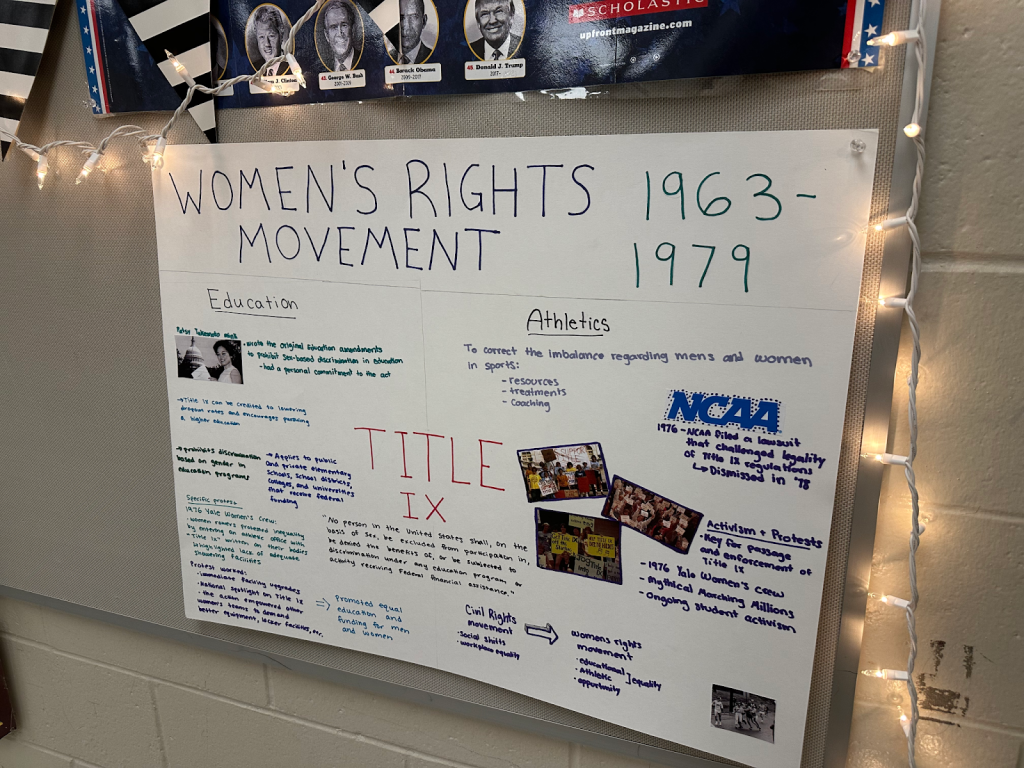
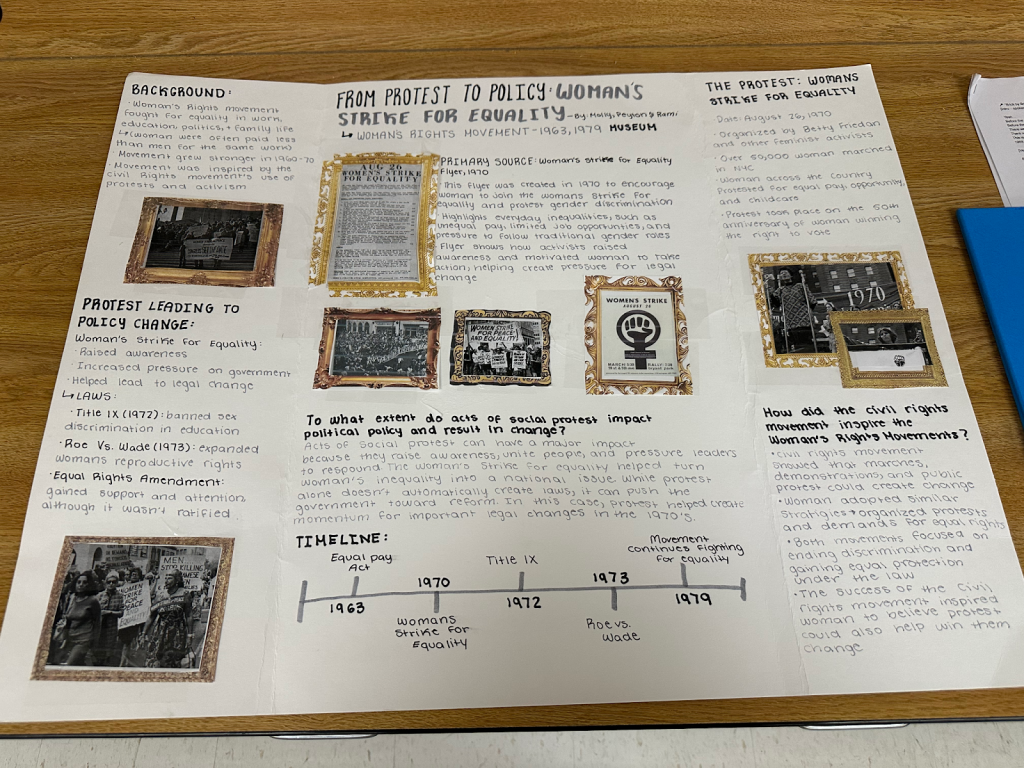
US History students researched 20th-century political movements, from the Black Power movement to Environmental rights. They communicated their findings through projects that analyzed how social protest acts as a mode of communication to influence political policy.
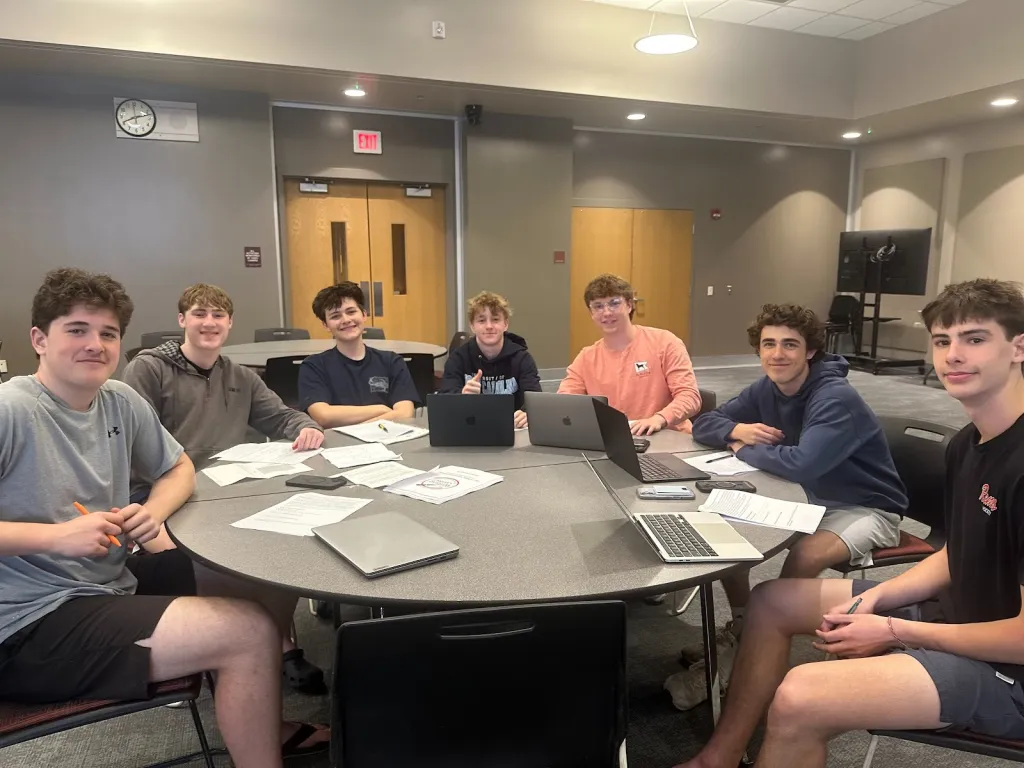
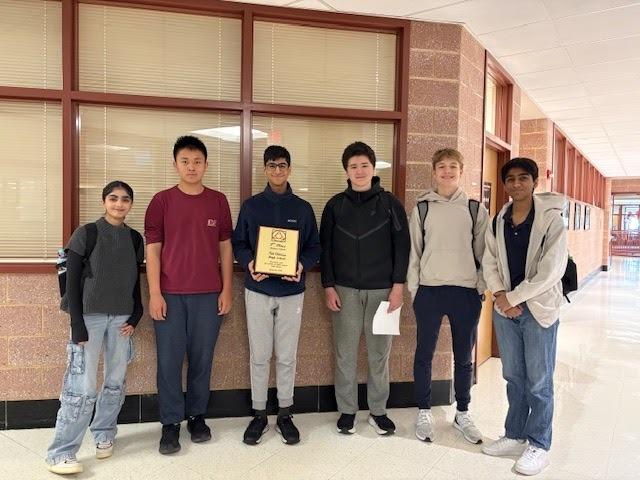
The NCHS Math Team relies on collaborative dialogue to solve high-level problems, recently earning a trip to the Regional Match in Massachusetts through effective teamwork and communication.
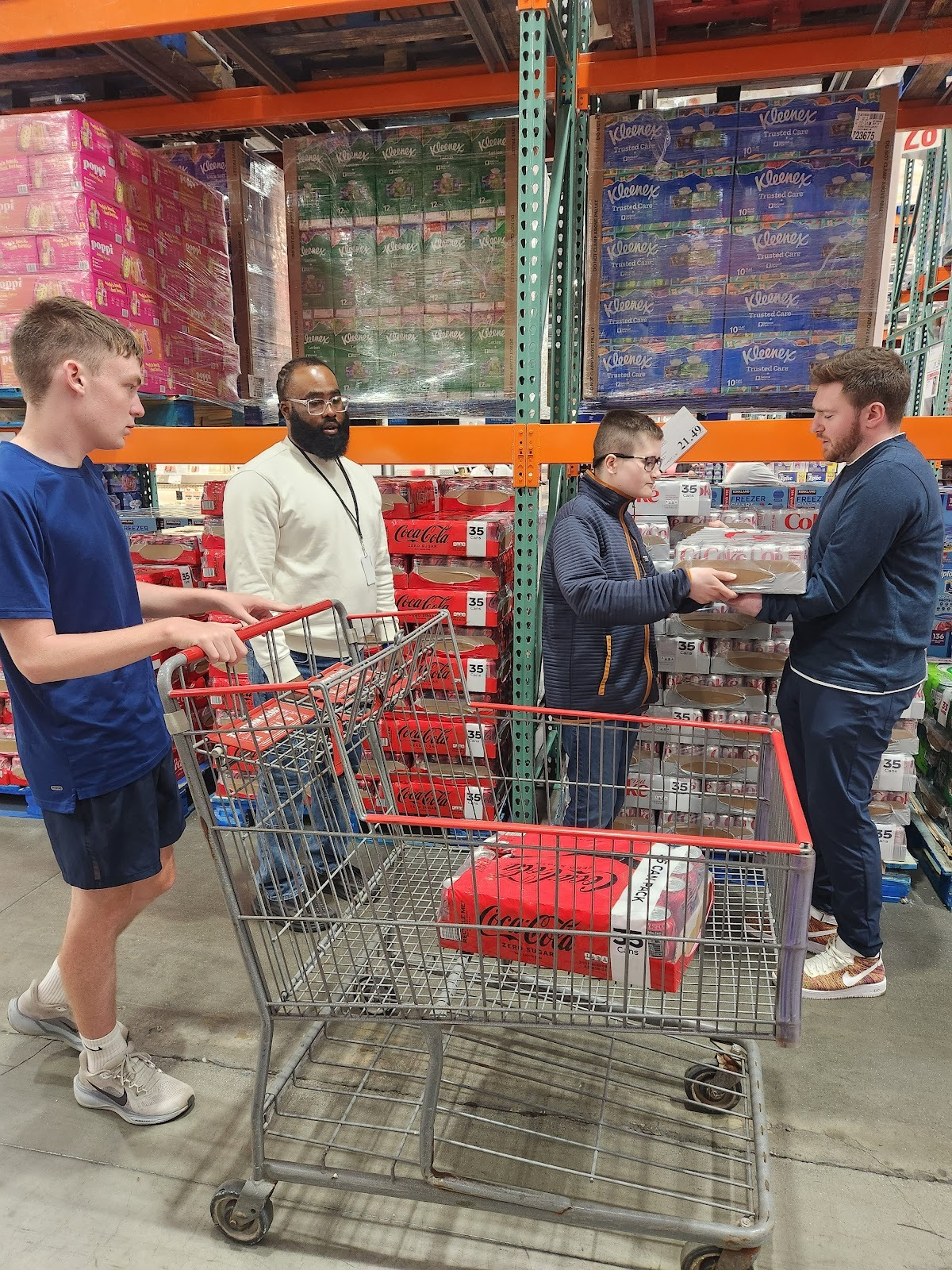
Students in The HUB practice community navigation and social interaction by managing their own school business. From sourcing inventory at Costco to handling transactions, they refine their oral and nonverbal communication skills in a vocational setting.
To help bridge the gap between school and home, here are five ways families can continue to focus on Communication this month:
Practice Active Listening: During a family meal, try a "listening check-in" where one person shares a thought and the next person summarizes it before adding their own. Ask: "What is the difference between simply hearing my words and truly listening to understand my intent?"
Adapt for the Audience: Discuss how your student changes their tone or vocabulary when emailing a teacher versus texting a friend. Ask: "How do you decide which 'voice' is the most effective for the person you are trying to reach?"
Value the "Edit": Communication involves using feedback to refine an outcome. In addition to discussing and celebrating final products, talk about the many iterations that were made before the final product.
Decode Nonverbal Cues: Share a story from your workday where a nonverbal cue - like a shrug or a long pause - communicated more than words. Encourage your student to notice these cues during internship interviews or team practices.